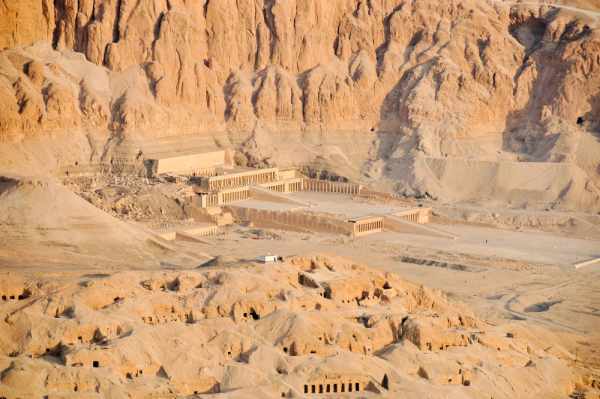
Luxor tourist attractions with Lazaro Travel offer an extraordinary journey through one of the most historically rich regions in the world. Often referred to as the world’s greatest open-air museum, Luxor is home to remarkable temples, ancient tombs, and iconic monuments that reflect the grandeur of Ancient Egypt. This comprehensive guide provides detailed insights into the main Luxor tourist attractions, practical travel information, and essential tips for tourists seeking a full immersive experience.
Why Choose Luxor Tourist Attractions with Lazaro Travel?
Luxor tourist attractions tours by Lazaro Travel provide travelers with expert-guided experiences that highlight the historical, cultural, and spiritual significance of the city. Experienced guides explain hieroglyphics, architectural details, and ancient rituals, ensuring visitors gain a deep understanding of Luxor’s rich heritage.
Luxor tourist attractions cater to diverse travelers, including families, solo adventurers, and history enthusiasts. Lazaro Travel offers structured itineraries covering both the East and West Banks of the Nile, providing efficient and enriching exploration of the city’s highlights.
Karnak Temple Complex:
Luxor tourist attractions begin with the Karnak Temple Complex, one of the largest religious complexes ever built. Dedicated primarily to the god Amun-Ra, Karnak spans over 200 acres and contains a multitude of temples, chapels, and pylons. Visitors can explore the Great Hypostyle Hall, featuring 134 massive columns covered with intricate hieroglyphics.
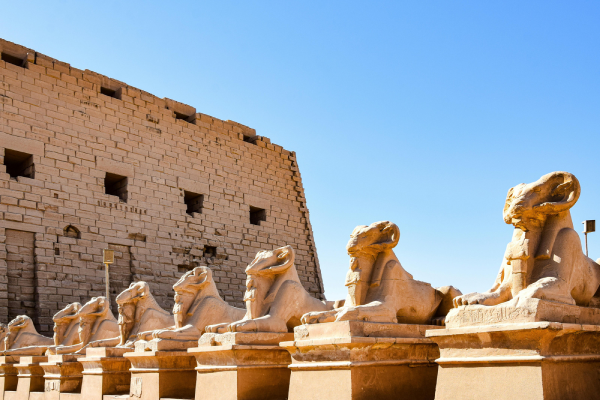
Luxor tourist attractions at Karnak include detailed explanations of the sacred lake, the Avenue of Sphinxes, and the various sanctuaries within the complex. Guides share insights about the construction techniques, religious ceremonies, and the historical significance of this monumental site.
Luxor Temple:
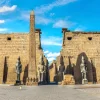
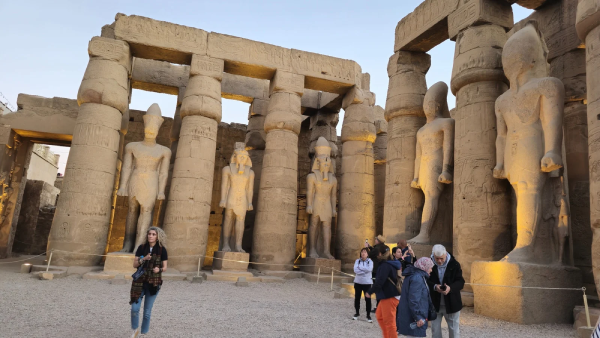
continue with Luxor Temple, situated in the heart of the city. This temple was primarily dedicated to the rejuvenation of kingship and the annual Opet Festival. Its statues, obelisks, and pylons showcase the reigns of Pharaohs like Ramses II and Amenhotep III.at Luxor Temple offer visitors an understanding of the temple’s architecture, relief carvings, and ceremonial processions. Guided tours provide historical context on the religious practices and royal rituals performed here.
Luxor Museum:
Luxor tourist attractions also feature the Luxor Museum, a carefully curated institution showcasing artifacts from the Theban region. Visitors can explore a wide range of historical treasures, including statues, ceremonial objects, and intricate jewelry that illustrate the artistic and cultural achievements of ancient Luxor.
The museum also offers insights into daily life, religious practices, and royal customs through its displays of mummies, sarcophagi, and funerary objects. With informative descriptions and organized exhibits, the Luxor Museum provides tourists with a deeper understanding of Luxor’s ancient civilization, making it a must-visit destination for history enthusiasts.
Valley of the Kings:
Luxor tourist attractions on the West Bank feature the legendary Valley of the Kings, the burial site of New Kingdom pharaohs. The tombs are adorned with elaborate paintings, hieroglyphics, and symbolic depictions of the afterlife.
Luxor tourist attractions tours provide explanations of tomb orientations, the role of funerary rituals, and stories about notable pharaohs such as Tutankhamun, Ramses II, and Seti I. Guides often share the historical discovery of these tombs and their treasures.
Temple of Hatshepsut:
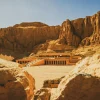
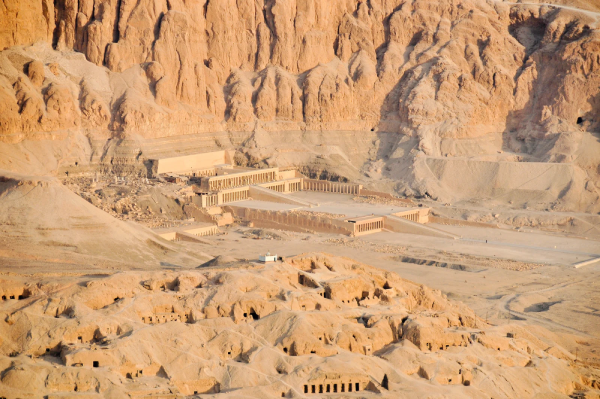
Luxor tourist attractions include the Temple of Hatshepsut at Deir el-Bahari, a masterpiece built into the cliffs. The temple features terraces, colonnades, and detailed reliefs celebrating the reign and accomplishments of Egypt’s female pharaoh.
Luxor tourist attractions tours highlight Hatshepsut’s historical significance, her architectural innovations, and the symbolic meanings behind the temple’s artwork and inscriptions.
Colossi of Memnon:
Luxor tourist attractions also feature the Colossi of Memnon, two massive statues of Pharaoh Amenhotep III. These statues once stood guard over his mortuary temple and remain impressive landmarks.
guides explain the legends associated with the statues, including the historical phenomenon known as the “singing” of Memnon, while providing context about their role in ancient Egyptian culture.
Additional Experiences in Luxor Tourist Attractions:
Felucca Rides on the Nile
Luxor tourist attractions often include serene felucca boat rides along the Nile. Tourists can enjoy panoramic views of the city, ancient temples, and lush riverside landscapes.
tours recommend sunset rides for breathtaking photo opportunities and a peaceful perspective of Luxor’s historical sites.
Hot Air Balloon Experiences:
Luxor tourist attractions also offer hot air balloon flights over the West Bank, providing a unique aerial view of temples, tombs, and the Nile. This experience creates unforgettable memories and highlights the geographical layout of ancient sites.
Local Markets and Souks:
Luxor tourist attractions include visits to local markets where tourists can shop for souvenirs, spices, and traditional crafts. Guides offer advice on haggling and explain the cultural significance of different items.
Cultural Workshops:
Luxor tourist attractions frequently include interactive workshops where visitors can learn traditional Egyptian crafts such as papyrus making, pottery, and weaving. These hands-on activities offer travelers a unique opportunity to connect with the country’s rich artistic heritage, observing the techniques and skills that have been passed down for generations.
In addition, many tours incorporate traditional Egyptian cooking classes, allowing tourists to prepare and taste authentic dishes under the guidance of local chefs. These experiences provide a deeper understanding of Egyptian culture, combining creativity, history, and
Travel Tips for Luxor Tourist Attractions:
Luxor tourist attractions require practical considerations for a comfortable visit. Tourists are advised to wear comfortable shoes, carry sun protection, and stay hydrated during tours.tours recommend hiring experienced guides to gain in-depth knowledge about each site and to navigate the large archaeological areas efficiently.are best explored in the early morning to avoid crowds and experience cooler temperatures. Booking tours in advance with Lazaro Travel ensures smooth and organized visits.Luxor tourist attractions encourage tourists to respect local customs, maintain cleanliness, and follow preservation rules at historical sites.
Summary of Luxor Tourist Attractions:
Luxor tourist attractions with Lazaro Travel provide a comprehensive journey through Ancient Egypt’s most iconic landmarks. Key highlights include Karnak Temple Complex with its massive columns and sacred lake, Luxor Temple with its ceremonial processions, the richly decorated tombs of the Valley of the Kings, the terraces and reliefs of the Temple of Hatshepsut, and the imposing Colossi of Memnon. Visitors also enjoy felucca rides, Nile cruises, hot air balloon flights, local market tours, and hands-on cultural workshops.
Medinet Habu: The Mortuary Temple of Ramses III
Luxor tourist attractions is one of the best-preserved mortuary temples on the West Bank of Luxor. Built by Pharaoh Ramses III, it features massive pylons, intricate reliefs, and detailed carvings depicting military victories, religious rituals, and daily life in ancient Egypt. Visitors can explore the temple’s courtyards, chapels, and sanctuaries while learning from a guide about the historical and cultural significance of each structure.
Deir el-Medina: The Village of the Tomb Builders
Luxor tourist attractions was home to the skilled artisans who constructed the royal tombs in the Valley of the Kings. The village offers a fascinating glimpse into the lives of workers, their homes, and their community. Walls are decorated with inscriptions and paintings that illustrate daily activities, religious beliefs, and social organization, providing insight into the human side of ancient Egypt’s monumental achievements.
Colossi of Memnon: Monumental Statues of Amenhotep III
Luxor tourist attractions The Colossi of Memnon are two massive stone statues that once guarded the mortuary temple of Pharaoh Amenhotep III. Standing at approximately 18 meters high, these statues are adorned with inscriptions detailing the king’s achievements and divine connections. Visitors can marvel at their scale and craftsmanship while learning about their historical context and the legends surrounding their mysterious morning “singing” phenomenon.
Ramesseum: Temple of Ramses II
Ramesseum is the mortuary temple of Ramses II, located on the West Bank of Luxor. It is renowned for its colossal statues, enormous pylons, and beautifully carved reliefs depicting the king’s military campaigns and religious rituals. A private guide helps visitors understand the temple’s symbolic architecture and its role in commemorating the pharaoh’s legacy.
Tombs of the Nobles: Insights into Ancient Society
The Tombs of the Nobles on the West Bank feature elaborately decorated burial sites of high-ranking officials and court members. The walls depict scenes of daily life, family celebrations, and religious ceremonies, offering a rich portrayal of ancient Egyptian society beyond the pharaohs. Guided tours allow visitors to appreciate the artistry, symbolism, and stories preserved in these tombs.